Understanding Ceiling Speakers
When it comes to enhancing your home audio experience, choosing the right speakers can make all the difference. Ceiling speakers, or اسپیکر سقفی, offer a sleek and unobtrusive way to fill your space with sound while minimizing clutter. This article explores the various types, benefits, and installation processes of ceiling speakers to help you make an informed decision.
What is a Ceiling Speaker?
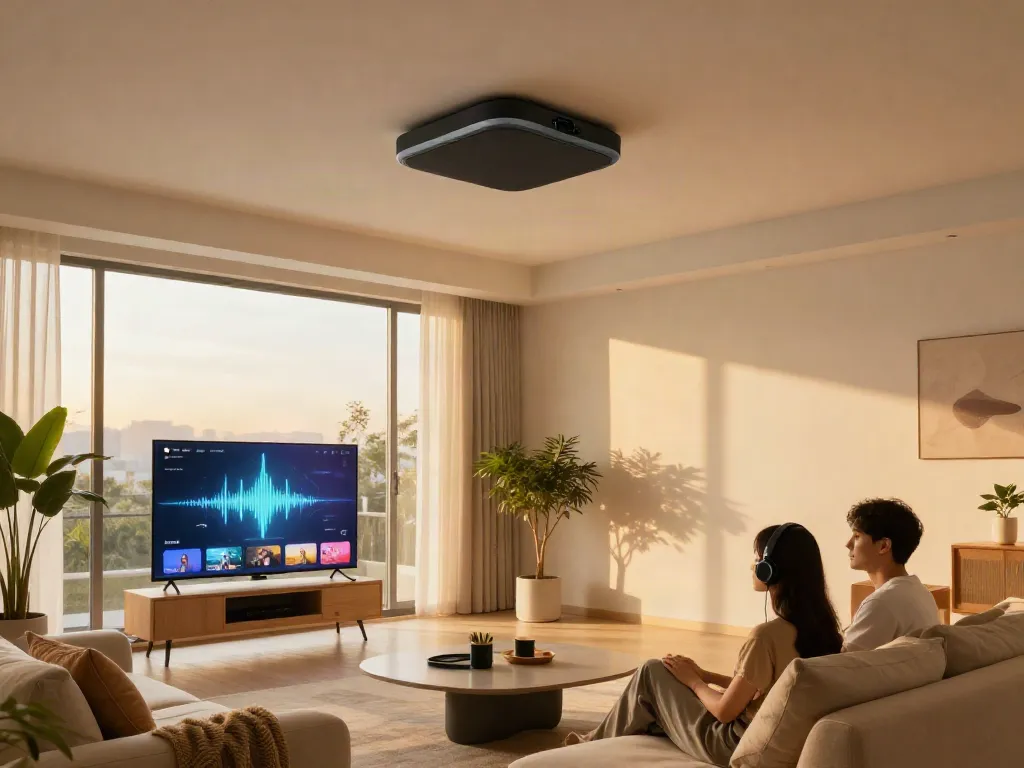
A ceiling speaker is a type of audio device designed to be flush-mounted in the ceiling, providing a clean aesthetic while delivering high-quality sound. These speakers are particularly popular in residential and commercial settings where space is at a premium. They can be wired or wireless, with the latter often equipped with Bluetooth capabilities for easy connectivity to devices.
Types of Ceiling Speakers
- In-ceiling Speakers: These are designed to be fully integrated into the ceiling structure, making them less noticeable.
- On-ceiling Speakers: Mounted on the ceiling surface, these speakers are easier to install but may be more visible.
- Active vs. Passive Speakers: Active speakers have built-in amplifiers, while passive speakers require an external amplifier to function.
- Bluetooth Ceiling Speakers: These offer wireless connectivity for streaming music directly from your smartphone or tablet.
Benefits of Using Ceiling Speakers
Ceiling speakers come with numerous advantages. They save floor space, avoid clutter, and can deliver a clean sound experience. Additionally, their installation can enhance the overall aesthetics of the area by eliminating the need for bulky audio equipment. The angled design of many models also allows for a broader sound dispersion, creating an immersive listening experience.
Choosing the Right Ceiling Speaker
When selecting a ceiling speaker, there are several critical factors to consider, including acoustics, power output, and ease of installation. Understanding your space and how you intend to use these speakers will significantly influence your decision. For more comprehensive insights, exploring product comparisons might help streamline your choices further.
Factors to Consider Before Buying
Before purchasing ceiling speakers, consider the size of the room, the type of music or sound you intend to play, and whether you want wired or wireless options. Acoustics play a vital role; larger rooms might require more powerful speakers or multiple units for even sound distribution.
Popular Brands and Models
Brands such as Yamaha, Novox, and Pioneer offer a range of ceiling speakers that cater to different needs and budgets. The Yamaha NS-IC800 and Novox C603 are great examples of reliable products that deliver impressive sound quality.
Determining Power Output Needs
Power output is crucial for achieving a satisfying audio experience. Depending on the size of your room and the intended use (e.g., background music vs. cinema-like sound), you may require speakers with higher wattage. Generally, for residential use, speakers with a range of 20 to 60 watts are sufficient.
Installation Options for Ceiling Speakers
Installing ceiling speakers can be a straightforward process, but it often requires some planning and the right tools. You can choose to hire a professional or take on the challenge yourself, depending on your comfort level with DIY projects.
Professional Installation vs. DIY
Professional installation guarantees that your ceiling speakers are mounted securely and optimally positioned for the best sound quality. However, if you have the necessary skills and tools, DIY installation can save you money and allow for a personalized setup.
Tools Required for Installation
For a successful installation, you will need basic tools such as a stud finder, drill, wire cutter, and possibly an amplifier if you're using passive speakers. Additionally, a level and measuring tape will help ensure your speakers are installed correctly.
Common Installation Mistakes to Avoid
Common mistakes include improper placement of speakers, failing to account for the room’s acoustics, and cutting holes that are too large or too small. Planning the layout of your speakers beforehand can help you avoid these pitfalls.
Enhancing Your Home Audio System
Once installed, you will want to maximize your ceiling speakers' potential by connecting them to various audio sources and enhancing their features for an optimal listening experience.
Connecting Ceiling Speakers to Other Devices
Most ceiling speakers can be connected to a variety of devices such as receivers, smart TVs, and streaming devices. Ensure compatibility with the devices you plan to use, especially when using Bluetooth or Wi-Fi enabled models.
Advanced Features of Smart Ceiling Speakers
Smart ceiling speakers come with features like voice control, integration with smart home systems (such as Amazon Alexa or Google Assistant), and multi-room audio capabilities. These features not only enhance usability but also improve the overall audio experience.
Sound Quality Improvements and Tips
To enhance sound quality, consider adding a subwoofer to your system, which can significantly improve bass response. Additionally, adjusting the equalizer settings on your audio source can help tailor the sound to your preferences.
Future Trends in Ceiling Speaker Technology
The world of audio technology is always evolving, and ceiling speakers are no exception. Emerging technologies will likely further enhance their capabilities and ease of use.
Emerging Technologies in Home Audio
Advancements such as 3D audio and spatial sound technologies are becoming more prevalent, allowing for immersive audio experiences that adapt to the room’s acoustics. Wireless technologies are also improving, providing more reliable connections and easier setups.
Predictions for Ceiling Speakers in 2026
By 2026, we can expect ceiling speakers to integrate even more seamlessly with smart home systems, offering greater control through voice commands and apps. Enhanced audio processing capabilities will likely lead to richer sound experiences.
Smart Home Integrations with Ceiling Speakers
Integration with smart home automation systems will enable users to schedule music playback, control volume remotely, and create customized audio environments throughout the home.
Frequently Asked Questions
What are the advantages of ceiling speakers?
Ceiling speakers provide an unobtrusive audio solution that blends into the environment while delivering high-quality sound. They also save space and can enhance the aesthetic appeal of a room.
How to install ceiling speakers?
Installation involves selecting the right location, cutting appropriate holes for the speakers, connecting the wiring, and securely mounting them in place. Professional installation is recommended for optimal results.
What are the best ceiling speaker brands?
Popular brands include Yamaha, Novox, and JBL, known for their reliable quality and innovative features tailored to various audio preferences.
Are Bluetooth ceiling speakers good?
Bluetooth ceiling speakers offer great convenience and ease of use, allowing users to stream audio from devices without the need for complex wiring. However, sound quality may not be as high as wired options.
How to connect ceiling speakers to a smart home system?
Connecting ceiling speakers to a smart home system typically involves using compatible smart hubs or devices that support audio streaming and voice control functionalities.