Understanding Mini Split AC Units
In an era where energy efficiency and personalized climate control are more important than ever, the mini split ac unit has emerged as a popular solution for homeowners and businesses alike. These versatile systems provide both heating and cooling, making them ideal for diverse environments, from urban apartments to expansive commercial spaces. As we dive into the world of mini split AC units, we'll explore their unique characteristics, their operational mechanics, and why they may be the perfect choice for your climate control needs.
What is a Mini Split AC Unit?
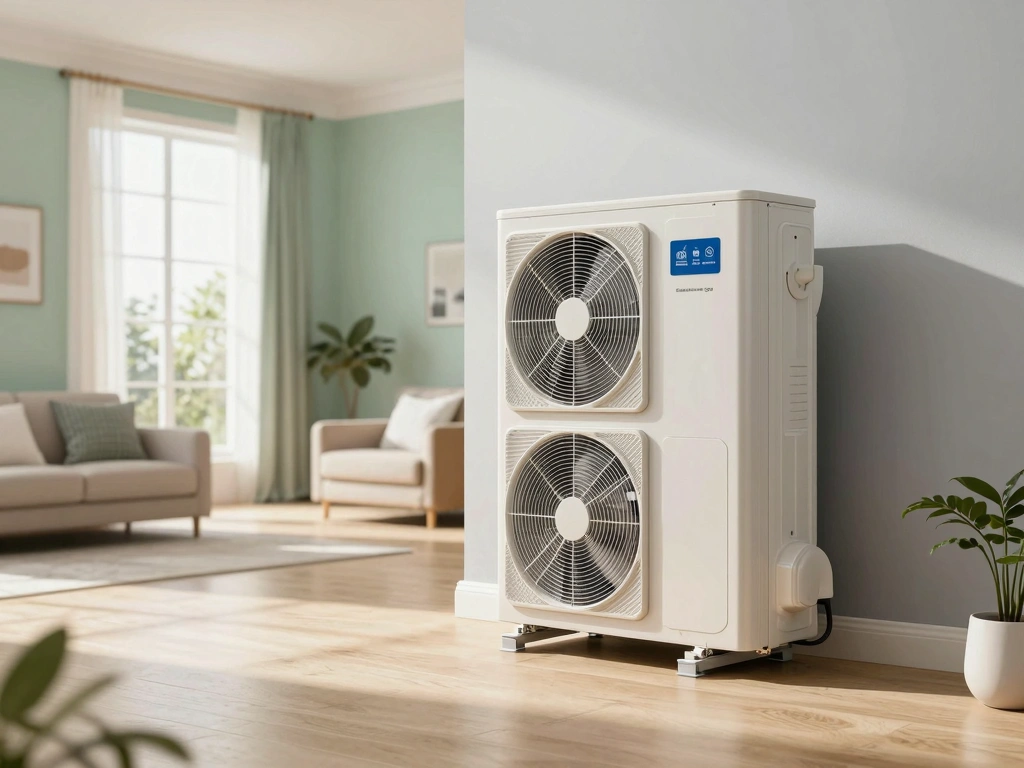
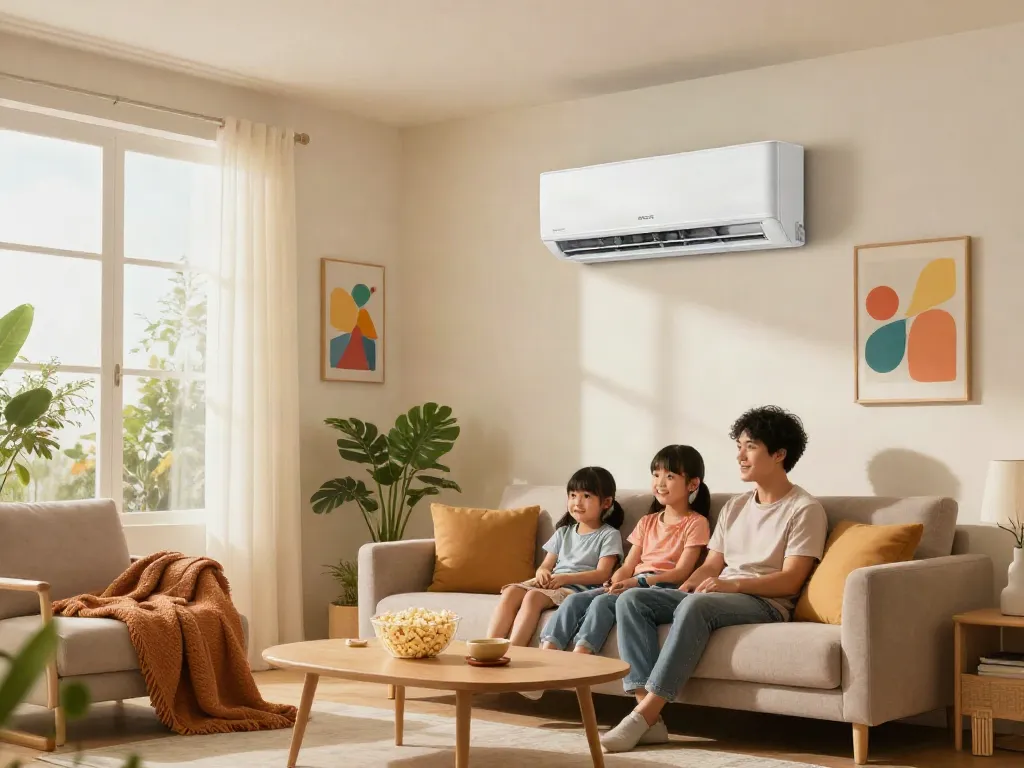
A mini split AC unit, also known as a ductless mini split, is a type of air conditioning system that allows for heating and cooling without the need for ductwork. It consists of two main components: an indoor air-handling unit and an outdoor compressor. The connection between these two components is made via refrigerant lines that can be fitted through a small hole in the wall, providing flexibility in installation. Mini splits are particularly effective for homes without existing ductwork, as well as for room additions and spaces requiring customized temperature zones.
How Mini Splits Work: The Technology Behind Efficiency
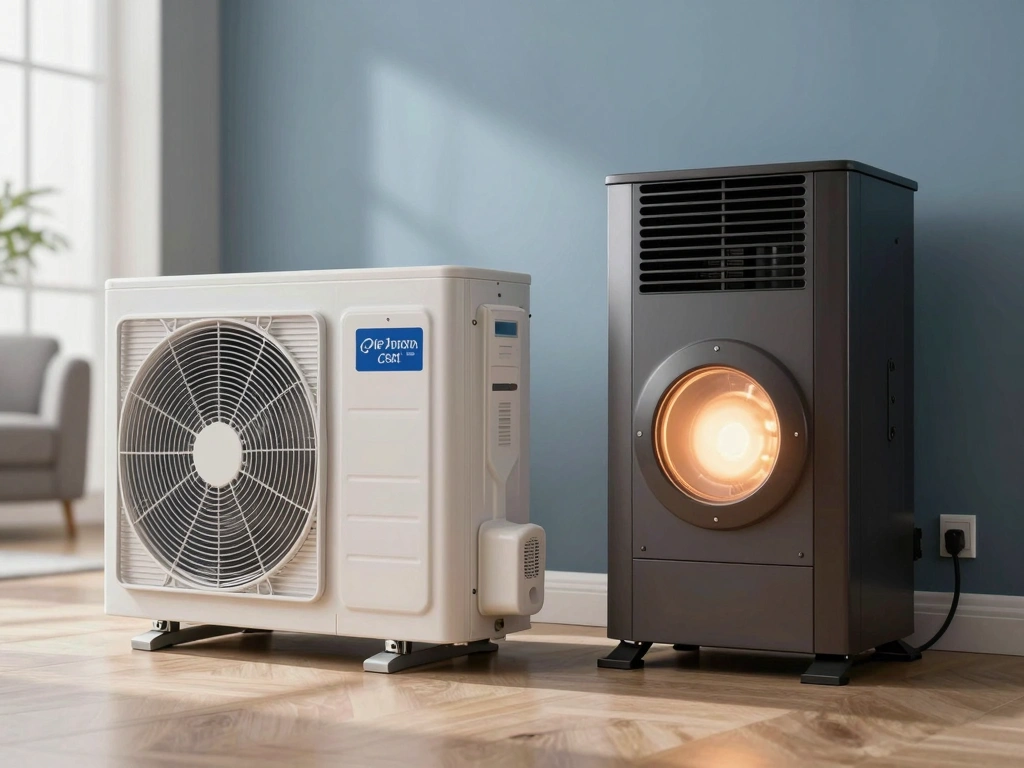
Mini split systems operate using a heat pump mechanism, which means they can transfer heat rather than generating it. In cooling mode, the indoor unit absorbs heat from the air in the room, transferring it to the outdoor unit where it is released into the environment. Conversely, in heating mode, the system reverses this process, extracting heat from the outside air and pumping it indoors. This technology not only allows mini splits to function efficiently in varying temperatures but also tends to use significantly less energy than traditional HVAC systems, promoting sustainability and cost savings.
Advantages of Mini Split Systems Over Traditional AC
- Energy Efficiency: Mini splits typically have higher SEER (Seasonal Energy Efficiency Ratio) ratings, which means they use less electricity while keeping your space cool.
- Flexibility: With the ability to install multiple indoor units connected to one outdoor unit, mini splits are ideal for controlling the climate in different zones independently.
- Quieter Operation: The noise level of mini split units is considerably lower than traditional window or central AC systems, enhancing indoor comfort.
- Easy Installation: Since no ductwork is required, installation can be quicker and less invasive.
- Heating Capability: Many mini split systems offer both heating and cooling, providing year-round comfort.
Installation Guide for Your Mini Split AC Unit
Choosing the Right Unit for Your Space
When selecting a mini split AC unit, it is essential to assess the specific needs of your space. Factors such as room size, insulation quality, and local climate all play a role in determining the optimal capacity, measured in BTUs (British Thermal Units). It's advisable to consult with a professional or use online size calculators to ensure you choose a unit that will adequately and efficiently cool or heat your intended area.
Step-by-Step Mini Split Installation Process
- Preparation: Choose the installation location for both the indoor and outdoor units. Ensure the area is level and clear of obstructions.
- Mount the Indoor Unit: Securely mount the indoor unit on the wall, ensuring it's at an appropriate height and level.
- Install the Outdoor Unit: Place the outdoor unit on a stable surface, such as a concrete pad, and ensure it is well-ventilated.
- Connect the Refrigerant Lines: Carefully run the refrigerant lines and electrical connections between the indoor and outdoor units, sealing any holes to maintain insulation.
- Test the System: After securing all connections, turn on the system to check for proper functionality and make necessary adjustments.
Common Installation Mistakes to Avoid
- Improper sizing of the unit, leading to inefficiency.
- Poor placement of the indoor unit, which can affect airflow and performance.
- Neglecting necessary electrical upgrades to support the new system's power requirements.
- Failing to seal connections properly, which can lead to refrigerant leaks and system failure.
Cost Analysis and Budgeting for Mini Split AC Units
Mini Split AC Unit Cost Breakdown
The cost of a mini split AC unit can vary significantly based on factors such as brand, capacity, and additional features like smart controls. On average, the unit itself can range from $700 to $3,500. Installation costs typically add another $1,000 to $2,500 to your total expenditure. It's crucial to factor in these costs when budgeting, along with potential maintenance and energy usage in the long run.
Long-Term Savings: Energy Efficiency Calculations
One of the standout features of mini split systems is their energy efficiency. By switching from a traditional HVAC system to a mini split, homeowners can see reductions in their energy bills by as much as 30%. Calculating the energy savings can enhance your understanding of the long-term benefits of investing in a mini split AC unit.
Financing Options for Your Mini Split Installation
For those concerned about the upfront costs of purchasing and installing a mini split AC unit, various financing options exist. Many HVAC companies offer payment plans, and federal or state rebates for energy-efficient systems may provide additional financial relief. Researching these options can help you manage the costs effectively.
Maintenance Tips for Longevity
Essential Maintenance Tasks for Mini Split Systems
To ensure the longevity and efficiency of your mini split AC unit, regular maintenance is key. Some essential tasks include:
- Cleaning or replacing air filters every one to three months.
- Cleaning the outdoor unit and ensuring it’s free from obstructions such as debris, weeds, or snow.
- Inspecting the refrigerant lines for any signs of wear or damage.
- Scheduling annual professional inspections to catch potential issues early.
When to Call a Professional: Maintenance Services
While homeowners can handle many maintenance tasks themselves, certain scenarios warrant professional assistance. If you notice unusual noises, inconsistent cooling, or leaks, it’s essential to contact a qualified HVAC technician to avoid further damage and ensure safety.
Signs Your Mini Split Needs Repair
Being proactive about repairs can save you money over time. Watch for these signs:
- Increased energy bills without a change in usage.
- Unusual sounds coming from the indoor or outdoor unit.
- Inconsistent temperature levels in different rooms.
- Unpleasant odors when the system is running.
Future Trends in Mini Split Technology
Smart Technology Integration: The Future of Home Comfort
As home automation becomes more prevalent, the integration of smart technology into mini split AC units is on the rise. Features such as Wi-Fi connectivity and remote control capabilities allow homeowners to regulate their home's climatized comfort efficiently. These advancements also contribute to energy savings by optimizing usage patterns based on real-time monitoring.
Energy Standards and Regulations for 2026
With increasing emphasis on environmentally friendly technologies, new energy standards are set to reshape the HVAC industry. By 2026, mini split systems are expected to meet higher efficiency criteria, encouraging manufacturers to innovate and consumers to adapt to more sustainable choices.
Consumer Preferences Shaping Mini Split Innovations
As consumers become more aware of energy consumption and seek environmentally friendly solutions, the demand for mini split AC units continues to grow. This trend is leading manufacturers to explore customization options, aesthetics, and noise reduction technologies, ensuring that products align with consumer expectations.
What are the disadvantages of a mini split?
Despite their numerous advantages, mini split systems do come with a few downsides. Initial costs can be high, particularly if multiple zones are required. Additionally, the aesthetic of indoor units may not appeal to everyone, and regular maintenance is needed to keep the system running efficiently.
How much does it typically cost to install a mini split?
Installation costs for mini split systems generally range from $1,000 to $2,500, depending on factors such as unit size, location, and complexity of the installation. It's essential for homeowners to obtain multiple quotes and consider total lifetime costs when budgeting for their system.
Are mini-split AC units worth it?
Ultimately, the value of a mini split AC unit depends on your specific needs and circumstances. For those looking for energy efficiency, zoning capabilities, and ease of installation, mini splits can significantly enhance comfort and sustainability in a variety of settings.