The Importance of Automation in Modern Logistics
In today's fast-paced supply chain environment, businesses are continually seeking avenues to enhance their operational efficiency. The rise of automation technologies has fundamentally transformed the landscape of logistics and warehousing. Specifically, the implementation of an automatic bag palletizer machine allows companies to streamline processes, reduce human error, and improve overall productivity. The integration of automated systems not only saves time but also minimizes labor costs, making it a crucial investment for businesses aiming for optimal performance.
What is an Automatic Bag Palletizer Machine?
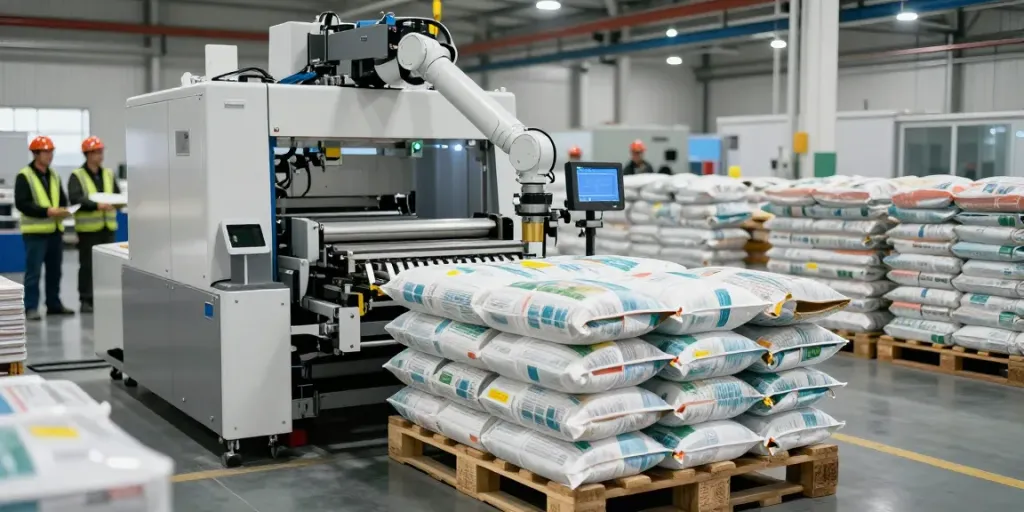
An automatic bag palletizer machine is designed to efficiently stack bags of various materials and sizes onto pallets for storage or shipping. Unlike manual palletizing, which can be labor-intensive and error-prone, these machines leverage advanced robotic technology and sophisticated software to perform the task with precision and speed. They are particularly beneficial in industries like food and beverage, pharmaceuticals, and construction, where handling large volumes of bags is common.
Benefits of Automation in Bag Handling
The transition to automated bag handling presents numerous advantages:
- Increased Efficiency: Automatic bag palletizers can handle thousands of bags per hour, significantly speeding up the order fulfillment process.
- Reduced Labor Costs: With fewer manual tasks, companies can cut down on labor expenses while reallocating human resources to more strategic roles.
- Improved Accuracy: Automation reduces the risk of human error, ensuring that loads are stacked consistently and safely.
- Enhanced Safety: Automating the palletizing process diminishes the manual handling of heavy bags, which can lead to workplace injuries.
Current Trends in Automated Packaging Technologies
The industry is witnessing various trends that reflect the ongoing evolution of automated packaging technologies:
- Robotic Integration: Robots are becoming more sophisticated, allowing for greater flexibility in bag handling and palletizing.
- Data Analytics: Advanced data analytics helps businesses monitor efficiency and make informed decisions about their operations.
- Sustainability Initiatives: Companies are focusing on eco-friendly packaging solutions and processes, pushing for machines that support sustainability.
Cost Analysis: Is It Worth the Investment?
Upfront Costs vs. Long-term Savings
Investing in an automatic bag palletizer machine involves significant upfront costs, which can be a deterrent for many businesses. However, when analyzed over time, the long-term savings considerably outweigh the initial expenditure. These machines can drastically reduce the costs associated with labor, wasted materials, and inefficiencies. By improving shipping and receiving times, companies can increase customer satisfaction and ultimately drive higher revenues.
Impact on Labor Costs and Efficiency
The shift from manual to automated palletizing has a profound impact on labor costs. Workers who once spent hours stacking bags can now focus on more value-added tasks, optimizing manpower and productivity. Moreover, automation can lead to better allocation of human resources, as employees can engage in quality control, maintenance, and customer service roles that require human oversight and decision-making. This shift not only enhances operational efficiency but also promotes a more skilled workforce.
Case Studies: Companies Seeing ROI
Numerous companies have reported substantial returns on investment (ROI) after implementing automatic bag palletizers:
- A Beverage Company: After installing an automatic palletizer, productivity increased by 40%, leading to faster order fulfillment and reduced labor costs by 30%.
- A Construction Material Provider: The firm noted a decrease in product damage due to consistent palletizing, which also resulted in a significant drop in waste.
Features to Look for in an Automatic Bag Palletizer Machine
Technological Innovations in Bag Palletizing
When selecting an automatic bag palletizer machine, it’s essential to consider various technological innovations that enhance functionality:
- Vision Systems: These systems enable the machine to identify and handle different bag sizes and shapes seamlessly.
- Flexible Configuration: Machines should offer custom configurations that can adapt to changing production needs.
- Remote Monitoring: Connectivity features that allow real-time monitoring and diagnostics improve preventive maintenance efforts.
Customizability and Versatility of Machines
Different industries often require different solutions. A good automatic bag palletizer should be customizable to handle various bag types, including open-mouth, valve, and FFS bags. Versatility in pallet sizes is also crucial, allowing businesses to scale operations based on demand.
Maintenance Considerations and Upkeep
Investing in an automatic bag palletizer machine also includes understanding the maintenance needs:
- Regular Servicing: Establishing a routine maintenance schedule is vital to prolonging the machine's lifespan.
- Accessible Parts: The availability of replacement parts and support services is crucial to minimize downtime.
Common Challenges and Solutions in Implementation
Understanding Technical Barriers to Adoption
While the benefits of automation are clear, the transition can come with challenges. Technical barriers such as integration with existing systems can complicate the adoption of automatic bag palletizers. Companies should conduct a thorough needs assessment and choose machines compatible with their current equipment.
Training Staff and Transitioning to New Systems
Training employees on new technology is crucial for successful implementation. Companies should invest in training programs that focus on both operating the machinery and understanding its capabilities to maximize efficiency.
Regulatory Compliance and Safety Standards
Ensuring compliance with industry regulations is vital in the implementation of automated systems. Companies must stay informed about safety standards and ensure that their devices are compliant to avoid legal repercussions.
Future of Bag Palletization and Industry Trends
AI and Machine Learning Integration in Automation
Artificial Intelligence (AI) and machine learning are set to play pivotal roles in the future of bag palletization. These technologies will enable machines to learn from their operations, adapt to changing environments, and optimize performance dynamically. Predictive maintenance powered by AI will also reduce downtime and enhance operational efficiency.
Environmental Considerations and Sustainable Practices
As consumer demand for sustainability rises, businesses are looking for palletizing solutions that align with eco-friendly practices. This includes using machines that are designed to minimize material waste and energy consumption, reflecting a growing trend in many industries.
Predictions for the Industry in 2026 and Beyond
The bag palletization industry is expected to evolve rapidly, with advancements in technology leading to even greater efficiency and adaptability. By 2026, we anticipate a significant increase in machine learning-based systems that can perform predictive analytics, making automatic bag palletizers even smarter and more efficient.
How does an automatic bag palletizer work?
An automatic bag palletizer utilizes robotic arms and conveyor systems to pick up bags from the packaging line and stack them onto pallets. The process involves sensors and cameras that assess bag dimensions and positions, ensuring accurate placement and optimal stacking.
What industries benefit from automatic bag palletizers?
Industries such as food and beverage, chemicals, pharmaceuticals, and agriculture benefit significantly from automatic bag palletizers, ensuring high productivity and consistent quality in their operations.
Are there different types of bag palletizers?
Yes, there are several types of bag palletizers, including robotic palletizers, conventional palletizers, and hybrid models that combine features of both to meet specific production needs.
What is the average lifespan of a bag palletizer machine?
The average lifespan of an automatic bag palletizer machine is typically around 10 to 15 years, depending on factors such as usage, maintenance, and operating conditions.
How can I choose the right palletizer for my business?
Choosing the right palletizer involves assessing your specific production needs, considering factors like bag types, operating speed, and space limitations. Consulting with manufacturers and evaluating different models can help businesses make informed decisions.