Understanding CNC Stainless Steel Parts and Their Applications
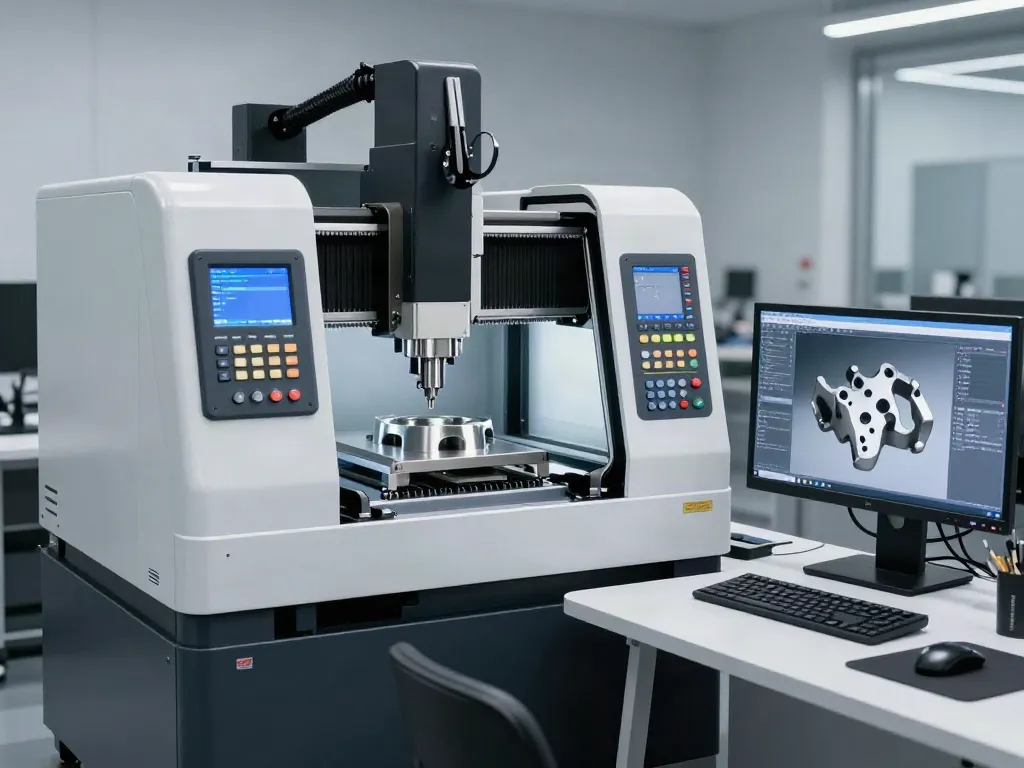
CNC (Computer Numerical Control) machining has revolutionized how precision components are manufactured, particularly in stainless steel. The durability, corrosion resistance, and structural integrity of stainless steel make it a preferred material in various industries. When exploring options, cnc stainless steel parts suppliers offer invaluable support for custom applications, ensuring that components are crafted to meet specific engineering requirements.
The Importance of Material Selection in CNC Machining
Material selection is critical in CNC machining as it directly influences the performance and longevity of the final product. Stainless steel, particularly grades such as 304 and 316, is chosen for its excellent corrosion resistance, strength, and ability to withstand extreme environments. Factors like tensile strength and ductility must be considered, as these properties dictate how a material will respond to machining processes and thermal treatments.
Key Industries Utilizing CNC Stainless Steel Components
Many sectors depend on CNC stainless steel parts due to their robustness and reliability. For example, the medical industry utilizes stainless steel for surgical instruments and implants due to its biocompatibility. The food processing industry seeks out these parts for equipment that must adhere to strict hygiene standards. Similarly, in the chemical engineering sector, stainless steel components can withstand caustic substances and high temperatures, ensuring a reliable operation over time.
Design Considerations for Stainless Steel Parts
When designing CNC stainless steel parts, engineers must account for several factors. These include the part's intended function, the manufacturing capabilities available, and the cost-effectiveness of the design. DFM (Design for Manufacturability) principles should be applied to ensure that components can be produced efficiently while maintaining required tolerances. Engineers should also explore surface finishes and coatings that meet both aesthetic and functional demands.
Advanced CNC Machining Techniques for Precision Parts
The advancement in CNC machining technology has led to improved accuracy and productivity in manufacturing. Here, we explore some of the critical techniques that are enhancing the capabilities of CNC machining for stainless steel parts.
Utilizing CAD/CAM Software for Enhanced Design
CAD (Computer-Aided Design) and CAM (Computer-Aided Manufacturing) software play an integral role in the CNC machining process. They enable engineers to create precise 3D models and develop detailed machining plans. With advanced features, CAD/CAM software can optimize tool paths and simulate machining processes to foresee potential issues before actual production, significantly reducing errors and waste.
High-Precision Machinery and Its Role in Manufacturing
Utilizing state-of-the-art machinery is essential for achieving high precision in CNC machining. Technologies such as 5-axis machining have made it possible to create complex geometries that would be challenging or impossible with traditional 3-axis machines. These high-precision machines allow for tighter tolerances and better surface finishes, enhancing the quality of stainless steel parts.
Complex Geometries and Tolerances in CNC Machining
CNC equipment can handle intricate designs and complex geometries. This capability is vital for producing parts with specific features such as internal grooves, intricate cutouts, or mounting features. The ability to maintain tight tolerances (within ±0.005 inches or better) is crucial for ensuring that components fit perfectly within their intended assemblies, further underscoring the importance of precision in the CNC machining process.
Quality Control Measures for Custom Machined Parts
Quality control is paramount in CNC machining to ensure that parts meet specified standards and function correctly in their applications. Implementing rigorous quality assurance measures throughout the production process minimizes risk and enhances the reliability of the finished product.
Implementing Effective Quality Assurance Protocols
Quality assurance protocols should start at the design phase, with checks on the manufacturing processes and standards. Regular audits of equipment, as well as the qualification of new processes, can prevent errors down the line. Statistical Process Control (SPC) is another effective approach to monitor the manufacturing process in real-time.
Importance of Testing and Inspection Processes
Every batch of CNC stainless steel parts should undergo comprehensive testing and inspection processes. Common tests include dimensional, functional, and surface integrity checks, which ensure that each part meets the required specifications prior to delivery. Non-destructive testing (NDT) methods such as ultrasonic or X-ray examination can also be used to identify internal flaws without damaging the components.
Maintaining Certification Standards in Manufacturing
Adhering to certification standards such as ISO 9001 can enhance a manufacturer’s reputation and reliability. These certifications provide a framework for high-quality processes and the consistent output of parts that meet customer expectations and industry requirements. Maintaining these standards is essential for sustaining long-term partnerships with clients across various sectors.
Timely Delivery and Project Management in CNC Supply
Efficient project management practices are fundamental to delivering CNC machined parts on time. Effective planning, clear communication, and strategic resource management are vital in navigating the complexities of CNC manufacturing.
Streamlining Production Processes for Efficiency
Automation and lean manufacturing principles can be implemented to optimize production processes. Techniques such as just-in-time (JIT) inventory management reduce waste and ensure that supplies are available when needed without overstocking. This approach not only increases efficiency but also lowers production costs.
Managing Supply Chain Challenges in CNC Machining
The global supply chain can present challenges, particularly in sourcing quality raw materials. Effective collaboration with reliable suppliers, along with diversification of the supply chain, can mitigate risks associated with material shortages or delays. Having alternate suppliers can also provide flexibility in response to market demands.
Saving Time and Costs Through Strategic Planning
By implementing a comprehensive project management system that encompasses scheduling, resource allocation, and budgeting, companies can save both time and costs. Utilizing project management software allows for better tracking of timelines and deliverables, ensuring that client expectations are consistently met.
Future Trends in CNC Machining for Stainless Steel Parts
The CNC machining industry is continuously evolving. With advancements in technology, several trends are shaping the future of stainless steel part production, offering insights into what may be on the horizon.
The Impact of AI and Automation on Manufacturing
The integration of Artificial Intelligence (AI) in CNC machining is enhancing operational efficiencies and reducing human error. AI can analyze manufacturing data to predict machine failures, optimize machining parameters, and even automate adjustments in real time. This capability ensures that manufacturing processes remain efficient and cost-effective.
Innovations in CNC Technology and Materials
As materials science advances, new alloys and composite materials are being introduced, leading to lighter and stronger components with enhanced performance characteristics. Innovations such as additive manufacturing, including metal 3D printing, allow for unprecedented design flexibility and could potentially disrupt traditional CNC machining processes.
Emerging Markets and Their Influence on Industry Practices
Emerging markets are increasingly contributing to the demand for custom CNC machined parts, driving competition and innovation in production techniques. Companies that stay ahead of technological advancements and adapt to market shifts will be well-positioned to thrive in the evolving landscape of CNC manufacturing.
FAQs About CNC Stainless Steel Parts Suppliers
What are the benefits of using stainless steel parts in manufacturing?
Stainless steel parts are favored for their strength, corrosion resistance, and overall durability, making them suitable for a wide range of applications in harsh environments. They often require less maintenance over time, providing a long-term cost advantage.
How do I choose the right CNC stainless steel parts supplier?
Selecting the right supplier involves evaluating their experience, production capabilities, quality control processes, and customer service reputation. It's essential to review their portfolio and seek client testimonials to ensure they meet your needs.
What are the typical lead times for custom CNC machining projects?
Lead times can vary significantly based on project complexity, material sourcing, and production volume. On average, custom CNC machining projects may take anywhere from a few days to several weeks, depending on these factors. Effective communication with suppliers can help set realistic timelines.